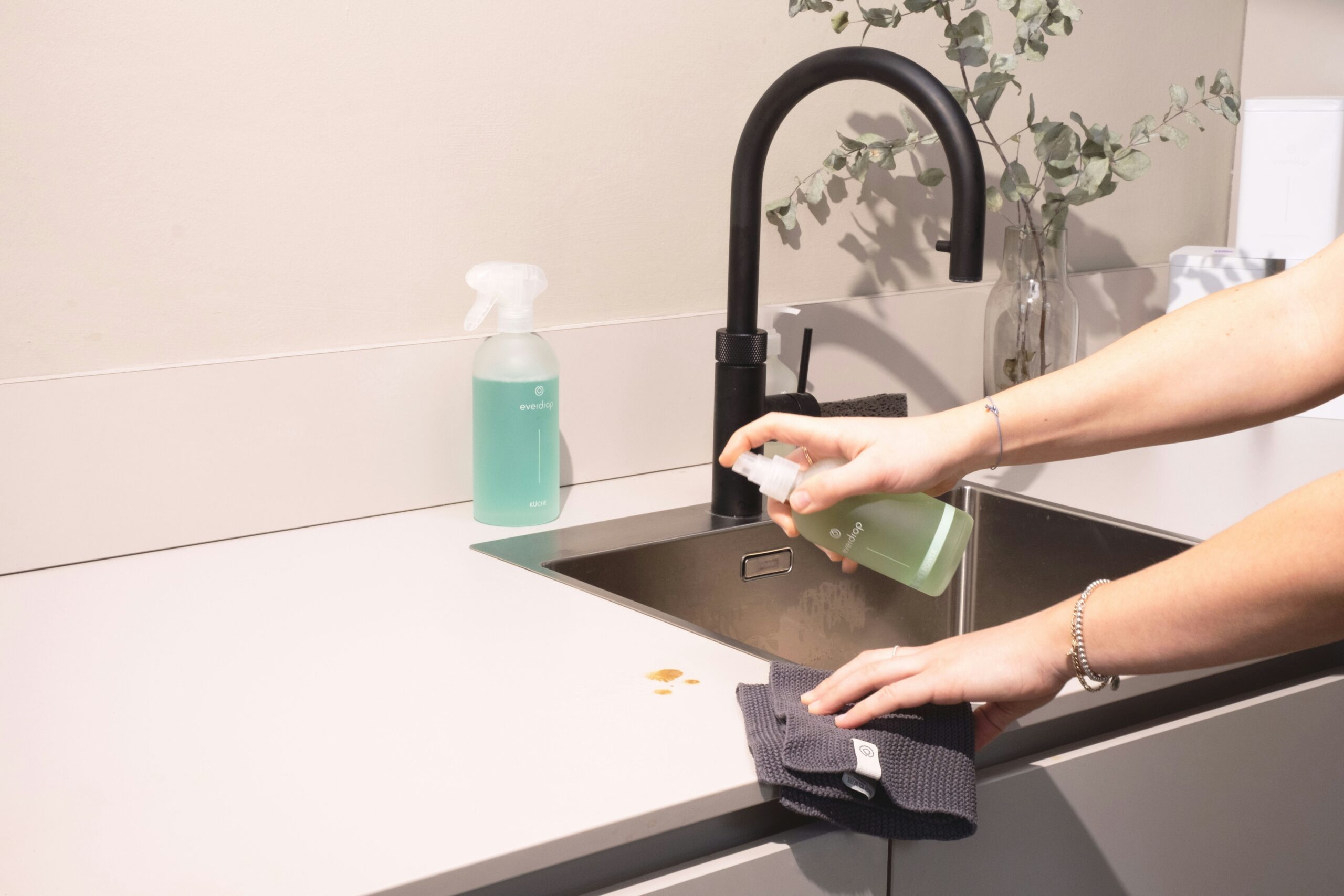
Dust: it’s the stuff that quietly settles on your shelves, reappears after you just cleaned, and somehow makes a home on every surface. But behind this everyday nuisance is a surprisingly cool mix of science—full of static electricity, floating particles, and even a hint of outer space. Yep, dust is way more interesting than it looks.
WHAT DUST IS REALLY MADE OF
Dust isn’t just dirt. It’s a cocktail of dead skin cells, pet dander, clothing fibres, hair, pollen, soil particles—and believe it or not, even microscopic fragments of meteorites. Scientists call it cosmic dust, and it trickles down to Earth every day. Most of what you see on your bookshelf, though? That’s home-grown, made by you and everything around you.
TINY PARTICLES, BIG BEHAVIOUR
Dust particles are so small—often just a few microns wide—that they can float in the air for hours. That’s why they seem to magically appear after you’ve cleaned. They’re always around, drifting invisibly, waiting to settle. The smaller the particle, the longer it hangs in the air.
STATIC ELECTRICITY: DUST’S BEST FRIEND
Ever wiped a TV screen and noticed the dust comes right back? That’s static electricity at work. Smooth surfaces like glass, plastic, and electronics tend to build up a static charge, which acts like a dust magnet. Even the act of dusting with a dry cloth can create more static, making your job harder instead of easier.
DIFFERENT SURFACES, DIFFERENT DUST TRAPS
Not all surfaces collect dust the same way. Textured or rough surfaces trap more particles, while smooth ones show it more clearly. Electronics are notorious for gathering fine dust because they’re always a bit staticky. And once dust settles into the fibres of curtains, couches, or carpets, it takes more than a swipe to lift it out.
SMARTER DUSTING = BETTER RESULTS
Dry dusting often just redistributes the dust into the air. That’s why microfibre cloths are your best friend—they trap dust in their tiny fibres instead of flinging it around. For an even better clean, use a slightly damp cloth. A bit of moisture keeps particles stuck to the cloth and out of the air.
THE FINAL SWEEP
Dust isn’t just a sign your home needs a tidy—it’s a swirling story of skin cells, fabrics, pollen, static charges, and even the occasional speck from outer space. With the right cloth (hello, microfibre) and a bit of moisture, you’re not just cleaning—you’re mastering the physics of tiny particles in motion. Dust might be inevitable, but now you know how to outsmart it.
In Part III, we’ll tackle those sticky messes: why grease and glue are so clingy, and how certain ingredients in your cleaning products are designed to break them down. Stay tuned!
In Part III, we’ll get sticky—literally—as we dig into the chemistry of oily and tacky messes, and how surfactants help clean up the chaos. Stay tuned!