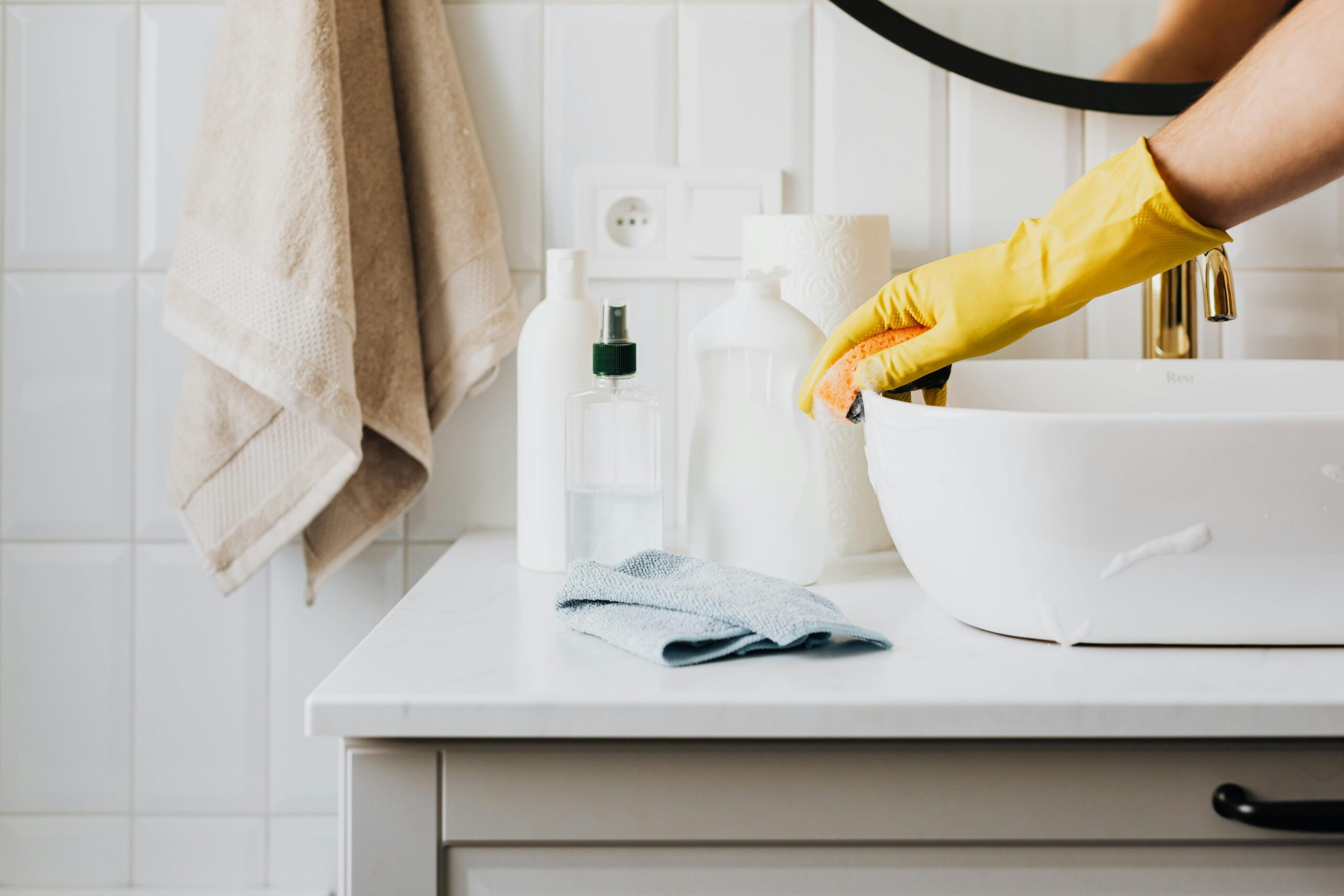
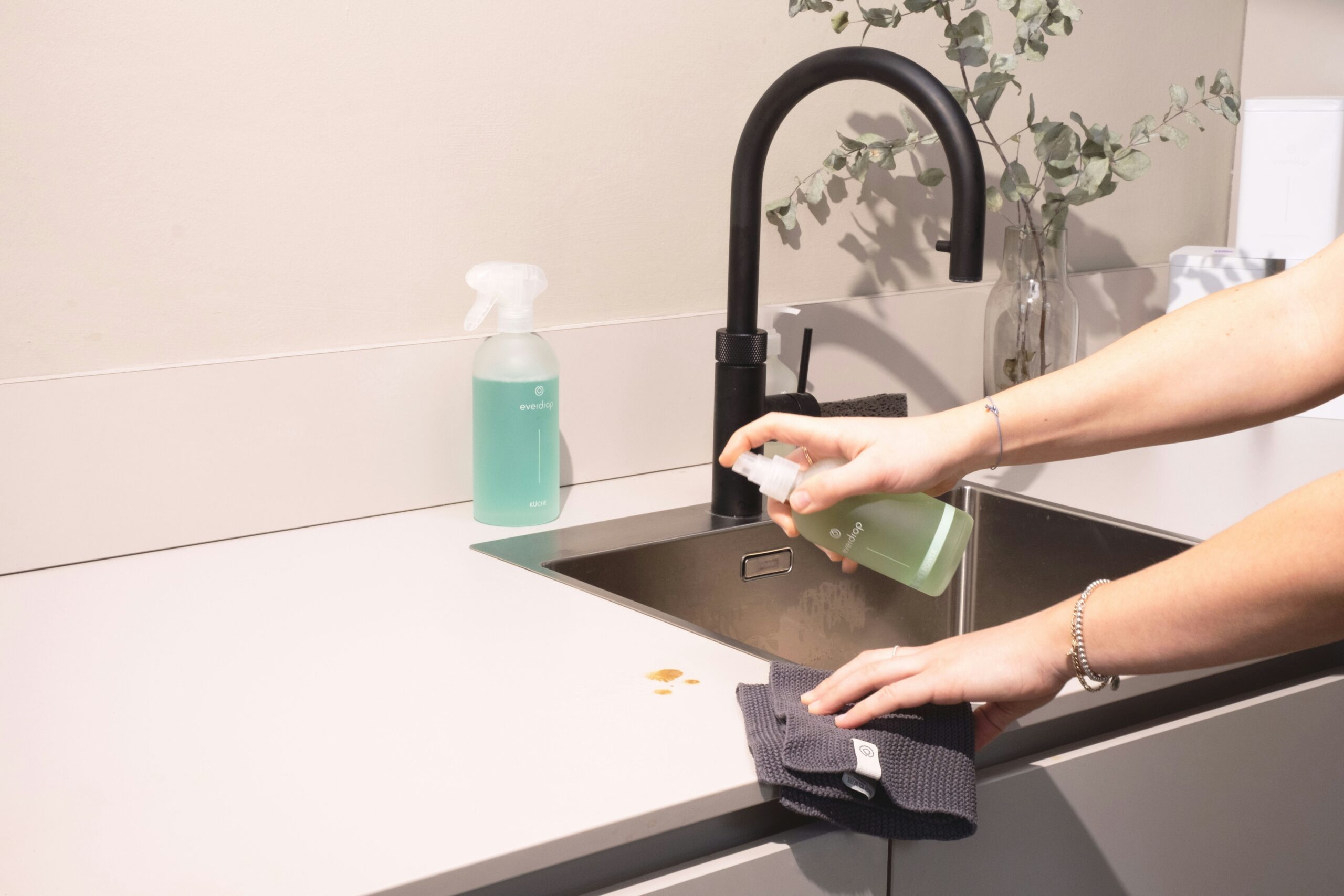
Cleaning might seem simple – just wipe and go, right? But there’s more happening than meets the eye. To truly understand what it means to clean properly, it’s important to know the difference between cleaning, sanitising, and disinfecting. They’re not interchangeable, and knowing when to use each one makes all the difference.
CLEANING MEANS REMOVING
Cleaning is all about physically removing dirt, grease, food bits, dust, and even germs from surfaces. This is usually done with a cloth, some water, and a detergent. You’re not killing the germs – you’re picking them up and rinsing them away. Like scooping leaves out of a pool, you’re not changing their nature, just taking them out of the picture.
SANITISING MEANS REDUCING
Sanitising goes a step further. After cleaning, you might sanitise to reduce the number of bacteria on a surface to a level considered safe. This is common in places where food is prepared or where kids are playing. It doesn’t kill everything, but it lowers the risk.
DISINFECTING MEANS KILLING
Disinfecting is about killing germs – both bacteria and viruses. This requires specific chemical agents, often with very precise instructions. Disinfectants take time to work – usually several minutes – so spraying and wiping straight away defeats the purpose. It’s like putting popcorn in the microwave for two seconds and expecting a snack.
WHY THE DIFFERENCE MATTERS
Here’s a curious fact: dirt can actually block disinfectants. If you try to disinfect without cleaning first, the grime acts like a shield, protecting germs underneath. So while the surface might look shiny, those germs are still lurking. Cleaning always comes first.
EVERYDAY EXAMPLES
Spraying disinfectant on a greasy stovetop? It won’t work properly unless you’ve cleaned the grease off first. Wiping down a kitchen bench after handling raw chicken? Scrub it clean, then sanitise to make it food-safe. Sanitising a toddler’s toy? Make sure it’s free of smudges and sticky spots before anything else.
THE TAKEAWAY
Cleaning removes. Sanitising reduces. Disinfecting kills. Mixing them up can mean wasted effort – or worse, spreading germs instead of getting rid of them. Understanding the difference helps you clean smarter, not just harder.
Stay tuned for Part II, where we’ll explore the weird science behind dust and why it seems to return the second you’ve finished dusting!